Unit schedule
Give every unit a unique identity linked to type, revision, finish, services, packing group, delivery phase, and site location.
- Type and quantity matrix
- Unit-specific options
- Phase and site reference
PROGRAMME DELIVERY
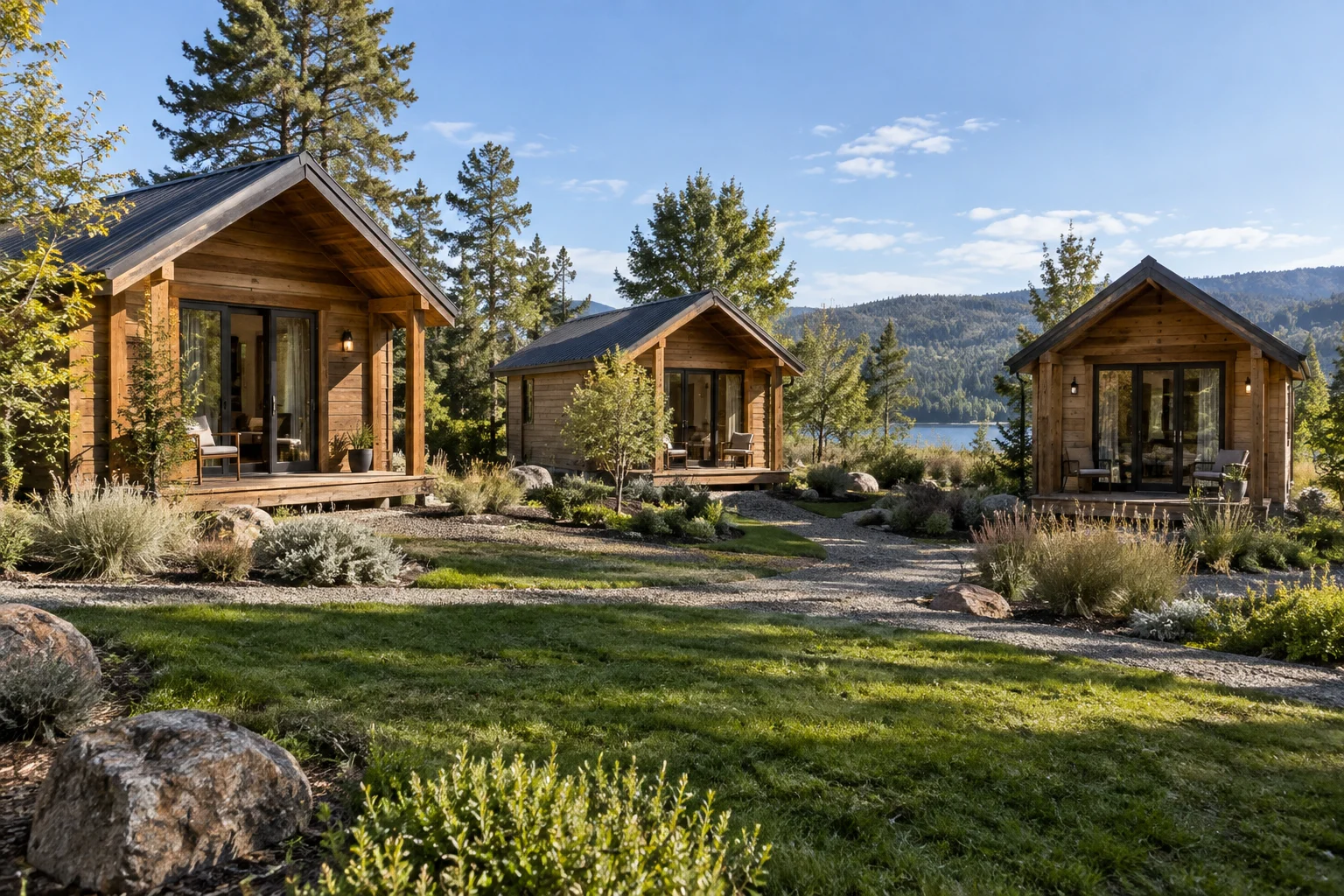
A resort, holiday park, glamping, or accommodation programme needs more than repeated purchase orders. It needs a controlled unit schedule, an approved baseline, production and inspection gates, phased logistics, site interfaces, and consistent handover records.
BUYER PRIORITIES
Room types, accessible variants, mirrored layouts, site zones, service positions, finishes, and delivery phases should be visible in one coordinated unit schedule.
Give every unit a unique identity linked to type, revision, finish, services, packing group, delivery phase, and site location.
Use an agreed pilot, first-off inspection, mock-up, or enhanced document review to close repeatable issues before volume production.
Coordinate production slots, inspection, container sequence, site readiness, storage, installation capacity, defects, and spare-parts handover.
Connect guest occupancy, housekeeping, maintenance access, accessible variants, luggage, wet areas, services, furniture, and replacement planning to the cabin schedule.
PROJECT ENQUIRY
Share the destination, intended use, quantity, preferred configuration, target date, and any drawings. CabinWild will use the information to prepare the next project discussion.
WORKING METHOD
Use written stage gates so unresolved requirements do not become undocumented production assumptions.
Confirm intended use, destination, quantities, programme, supply format, site constraints, and known performance inputs.
Compare drawings, materials, options, exclusions, responsibilities, documents, price basis, and open decisions.
Close samples, drawings, specifications, inspection criteria, payment evidence, and authorised change routes.
Use current revisions, material checks, hold points, traceable records, and written non-conformity closure.
Verify goods, labels, packing, documents, freight readiness, arrival checks, and the support route.
BUYER NOTE
Late design changes can affect completed units, purchased materials, container planning, installation interfaces, and programme dates. Use written variation control with cost and schedule impact before approval. Confirm drawings, inclusions, material records, inspection criteria, packing details, and the responsibility split in the project quotation.
BUYER QUESTIONS
Clear starting answers for commercial buyers. Final scope and compliance remain project-specific.
Request pricing by unit type, option, batch, freight basis, installation responsibility, documents, spares, and exclusions. Keep one-time development or prototype costs separate from repeat-unit pricing.
Potentially. Confirm production sequencing, storage, container optimisation, release evidence, site readiness, unloading capacity, and the commercial effect of each shipment phase.
A pilot can help validate layout, guest-use assumptions, finishes, maintenance access, assembly information, and the approval process. It should have written acceptance criteria and a clear rule for incorporating changes into later units.
Yes, subject to project review. Keep a coordinated type-and-quantity matrix, clearly identify shared and unique components, and show mirrored, accessible, finish, service, and site-specific variants in the unit schedule.
Tell us about your location, cabin style, and project requirements.
info@CabinWild.com